
Fabiana Borges: From a Rio Social Project to Four Gracie Barra Schools in Texas, USA
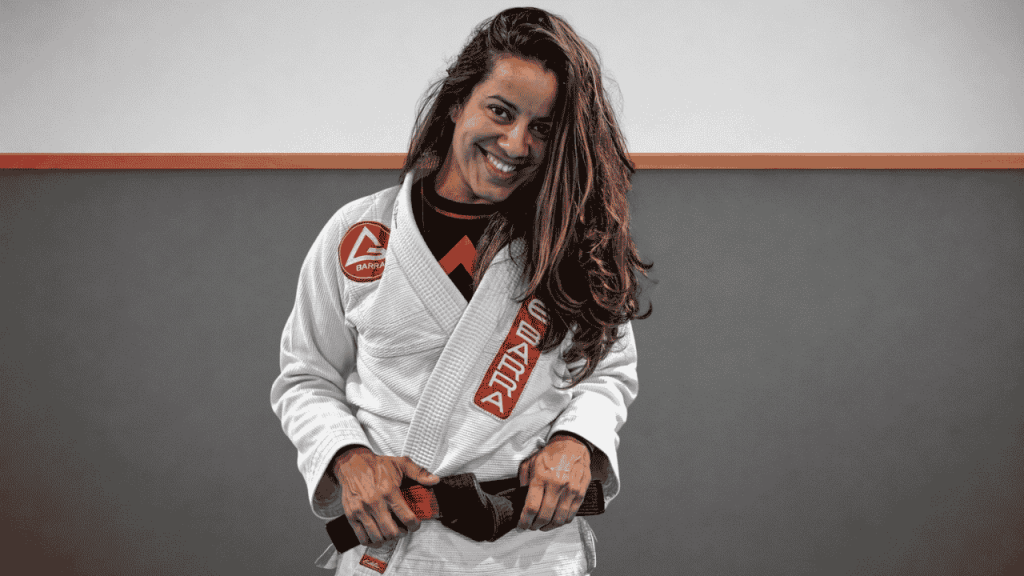
Fabiana Borges started jiu-jitsu at 11, in a social project in Cascadura, on Rio de Janeiro’s north side. Twenty-seven years later she is a fifth degree black belt, a six-time Brazilian champion and a two-time Pan American champion, and she runs four Gracie Barra schools in San Antonio, Texas. We sat down with her to talk about the whole road, from that first armlock to teaching at nine months pregnant. BJJ Girls: You started jiu-jitsu at 11, in Cascadura, in a social project. What was that first contact with the mat like, and what did jiu-jitsu mean to the girl you were back then? Fabiana: So, when I was 11, I was looking for a sport to do. I tried soccer, I tried running, volleyball, but nothing clicked with me. Then a social project opened near my house and my uncle took me and my cousin to train. In the first class I already felt a huge sense of empowerment in jiu-jitsu as a girl. I remember I pulled guard, swept, mounted, caught the arm. It was something I learned that day, and I still remember the feeling of my first armlock. It was a lot of empowerment, I liked it, and jiu-jitsu captivated me, it gave me that strength. It was a very striking moment, an 11-year-old girl looking for something to do, and it was really my own thing, wanting to do a sport. I took the registration form, went home, asked my father for 30 reais at the time to buy my kimono, signed up for jiu-jitsu, and from that day I never stopped. Jiu-jitsu has always been part of my life and it shaped who I am today. BJJ Girls: Back then, still in the late 90s and early 2000s, what was it like to be a girl training jiu-jitsu in Rio? Did you have other girls training with you, or were you almost always the only one? Fabiana: I started training in 1999, a long time ago. When I started there were other girls training, and since it was a social project it ran in several areas of Rio de Janeiro, so there were some girls. But they always came and went, came and went, because jiu-jitsu was pretty tough, pretty hard back then. I remember a teacher always said everyone is the same, there’s no difference between man and woman, so I think only the toughest ones stayed, and most only went as far as blue belt. Since I started at 11, a lot of the girls were like 14, 15, and the kids would stay until yellow belt and the grown women until blue, with a lot of turnover. I think, and I’m not sure, that back then jiu-jitsu wasn’t inclusive for women, so you had to be the toughest girl or, unfortunately, the teacher’s girlfriend. But yes, there were some girls, very few. When I started training for competition, my training was men only, all boys, and if you cried on the mat you had to go to the bathroom, because most were boys. So it was a striking time. But to be honest, at 11 I didn’t see that difference, whether there were boys or girls. I never put the female label on myself, maybe because my teacher always said there’s no man or woman. So I didn’t see that discrimination, or that I was the only girl on the mat. To me I was the only fighter there and I trained with the boys, and that was normal. And what was normal in the 2000s? That everyone was a student, there was no boy or girl thing. BJJ Girls: The social project pulled a lot of people out of a hard reality. Beyond the mat, how much would you say jiu-jitsu changed the course of your life? Fabiana: Yes, the social project was a turning point in my life. Before I started jiu-jitsu I tried other sports, running, track, soccer, and nothing clicked the way it did, nothing gave me the confidence jiu-jitsu gave me. It was through the social project that I started traveling, that I got chances to compete, and it helped my confidence. And it pulled me out of that life in the favela where I grew up. I grew up in a community in Cascadura, and the girls were dating people from the drug trade. Jiu-jitsu kept me busy, gave me something to look forward to and a different future. So from that social project I started having other perspectives on life and getting to know new places that opened my horizons, my mind, to a different life outside the favela. I also earned a scholarship at a private school and started being around people who dreamed of joining the military or traveling, things I never dreamed of living in the favela. It was a huge turning point for me and for my perspective on life. BJJ Girls: You were a two-time Pan American champion and a six-time Brazilian champion. Is there one of those titles that weighs more on your heart, that you remember in more detail to this day? Fabiana: The Brazilian championships were always a lot of fun. I competed a lot in the kids’ divisions, yellow belt, and a lot at blue belt. Back then I don’t think I grasped what a Brazilian title meant. I was young and the thing was to fight, to win those titles so I could get out of where I came from, the favela life. And when I got the scholarship at the private school, I had to keep good results on the mat to keep the scholarship. So it was a way to fight to get out of where I came from. The Pan Americans were really special, because I was already living in the United States. If I’m not mistaken it was 2010 and 2011, and I was already a black belt, a moment when I was going through difficulties here in the
Harassment case in Abu Dhabi: BJJ instructor Carlos Brito accused of grooming teenager
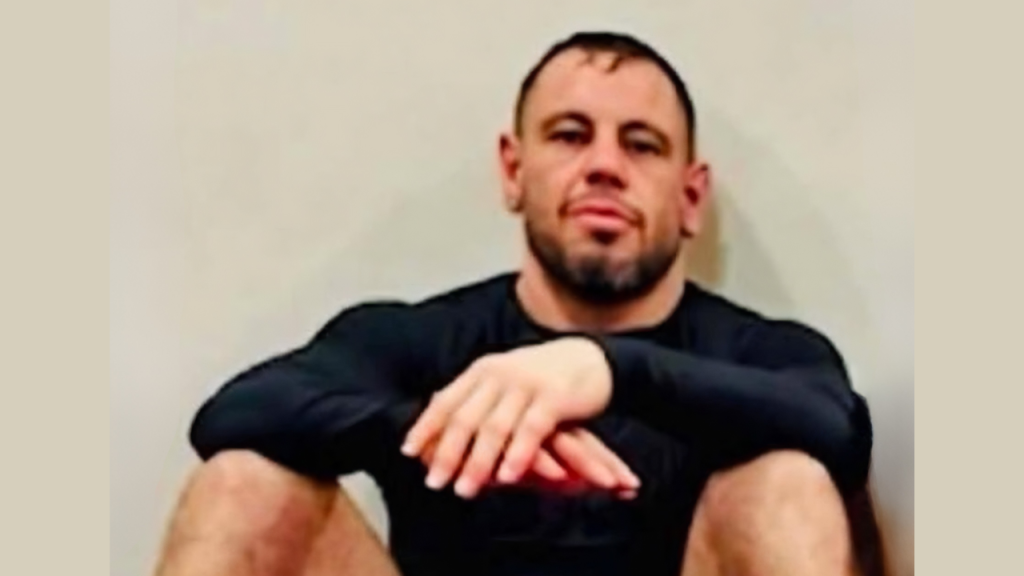
Another harassment case in the Abu Dhabi jiu-jitsu environment comes to light. Messages reviewed by BJJ Girls Mag show grooming pattern involving a 12-year-old. The accused has left the country.
ADCC Middle East Publicly Endorses BJJ Girls Mag Coverage of Abuse in Jiu-Jitsu
Wezzi, Head of ADCC Middle East, declares public support for BJJ Girls Mag investigative work on abuse cases and institutional accountability in jiu-jitsu.
Brazilian BJJ Athlete Faces Outstanding Arrest Warrant for Rape Conviction; Palm Sports Suspends Him in Abu Dhabi
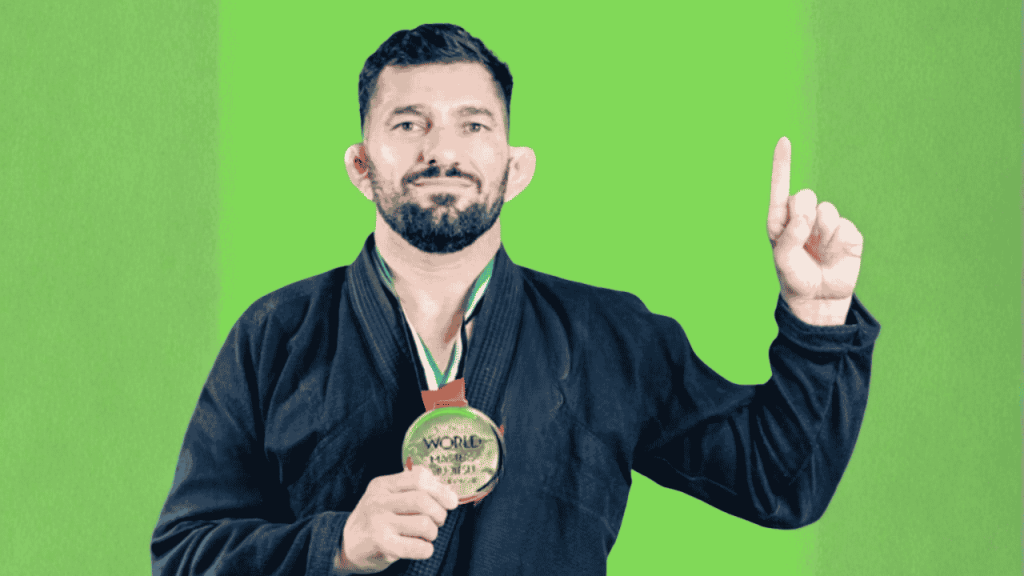
Black belt André Luís Siqueira Pinheiro, known as “André Motoca,” is wanted in Brazil for a final 15-year rape conviction. Hours after BJJ Girls Mag contacted Palm Sports, the Abu Dhabi-based company suspended him and confirmed his return to Brazil this weekend.
Melqui Galvão Arrested on Suspicion of Sexual Abuse Against Former Students
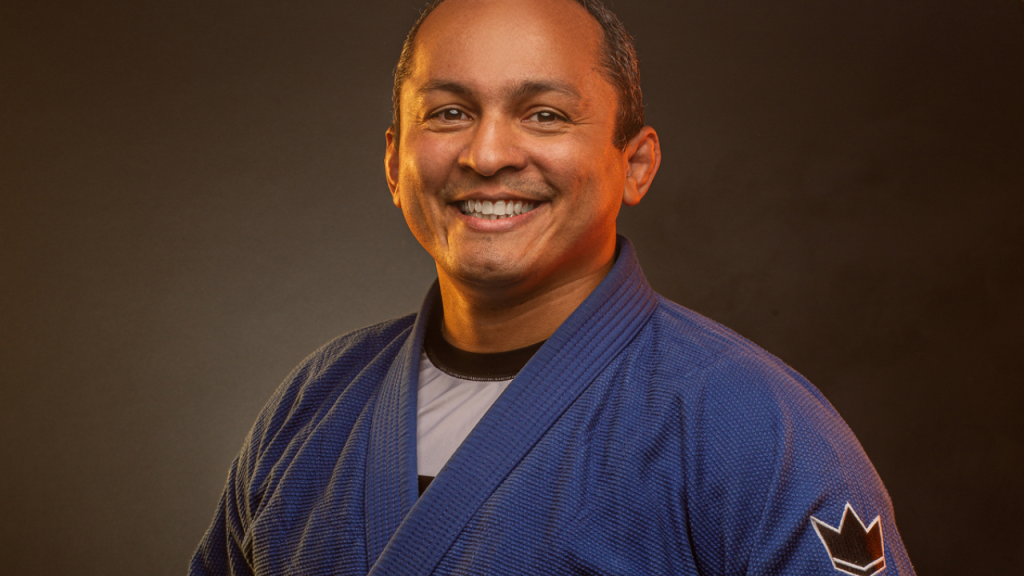
Brazilian BJJ coach was arrested on Tuesday (April 28) in Manaus under a warrant issued by the São Paulo Justice. He is being investigated for suspected sexual crimes against former students, according to G1, Veja, and CNN Brasil.
Jiu-Jitsu Instructor Reports Sexual Harassment at Florida Academy and Quits
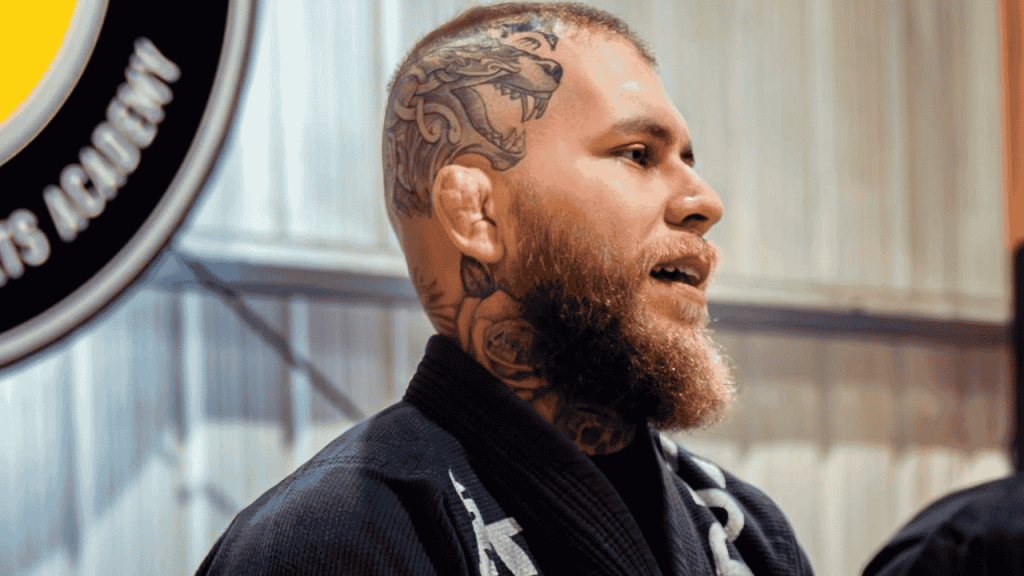
Coach Luis Eduardo says he cut ties with Orlando BJJ after taking a student’s harassment report to management and being told he was “escalating the situation.” Multiple women have publicly confirmed similar experiences in the comments.
Interview with Lauren Barone: The Woman Behind Philly Phenoms, a Pro Grappling Franchise for Athletes

Lauren Barone is a blue belt in Brazilian jiu-jitsu, entrepreneur, and the visionary behind Philly Phenoms, a sci-fi-inspired pro grappling franchise designed to create real opportunities for hardworking athletes, especially women. In this exclusive interview, Lauren shares her journey from hobbyist to leader, how she balances her projects, and why representation on the mats matters more than ever. 1. What was the moment you realized you were hooked on jiu-jitsu? Growing up a fan of martial arts definitely laid the foundation for me. Starting classes at the same time as my husband helped a lot too. Having a built-in training partner made the early days easier and more fun. 2. Why did no-gi become your preferred style? I still have a lot of respect for the gi and enjoy it now and then. But the pace and freedom of no-gi really match how I like to move and solve problems. 3. Your ‘Thicc Girl Jitsu’ message is super empowering. What inspired it? As a heavyweight competitor, I fully embrace the nickname and have fun with it. I hope that confidence and silliness help others feel more comfortable owning who they are on the mat. 4. What have you learned from training with 10th Planet and Nomad Grappling Team? Nomad Grappling Team, who sponsors me, has supported me so much throughout my journey. Training with 10th Planet has also been amazing, especially diving into leg locks and different grappling systems. 5. Philly Phenoms is all about athlete opportunity. What’s the mission behind it? I wanted to help hardworking athletes get onto the pro grappling stage. I’ve already suggested names for women’s matches, and I’d love to see a full women’s PGF bracket in the future! 6. How do you balance being both an athlete and an entrepreneur? My schedule has definitely changed while juggling multiple projects. Hiring a small team has helped a ton. I rely heavily on structure, checklists, and being organized. 7. Which of your projects feels the most you, and why? Philly Phenoms is the most me. Owning this new franchise is incredibly exciting. As a sci-fi fan, I love the theming and I’m always brainstorming fun ideas to hype the brand and spread the message. Empowerment in Motion It’s worth noting that “Thicc Girl Jitsu” and Philly Phenoms are two distinct but equally powerful expressions of Lauren Barone’s presence in the grappling world. “Thicc Girl Jitsu” is her personal brand, rooted in confidence, inclusivity, and humor. It’s a body-positive message for women who don’t see themselves represented in the traditional jiu-jitsu image. Philly Phenoms is her professional franchise, themed around science fiction. As a proud sci-fi fan, Lauren built a grappling team that blends athletic performance with creativity and storytelling. It’s not just a team, it’s a movement. We thank Lauren Barone for taking the time to share her journey with us. More importantly, we thank her for what she is building within the jiu-jitsu community. Whether she is creating new platforms for athletes, challenging outdated body norms, or bringing fresh energy to the sport, her work is a clear example of what empowerment looks like on and off the mats. Lauren’s approach blends performance, personality, and purpose. As she continues to grow Philly Phenoms, she’s also inspiring a new generation of confident, unapologetic grapplers. She is not just grappling opponents, she is grappling expectations and changing the game.
Interview: Shama Ko on the Power of Community and Building Girls in Gis
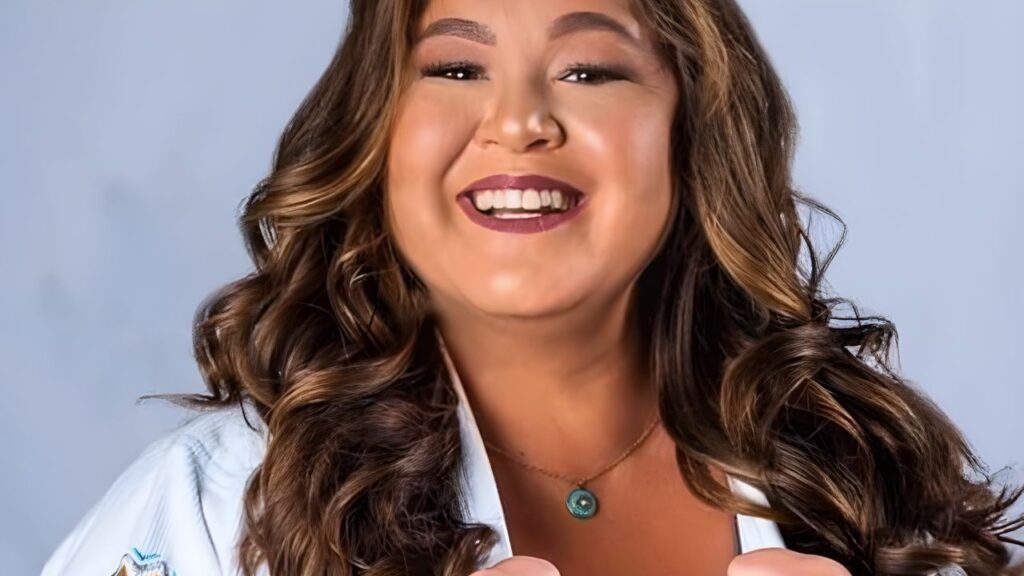
When Shama Ko first stepped onto the mats, she never imagined she’d one day help lead a national movement for women in Brazilian Jiu-Jitsu. But that’s exactly what happened. As the founder and program director of Girls in Gis, a nonprofit that hosts women’s BJJ events across the U.S., Shama has created a space where thousands of women have trained, connected, and grown together. We sat down with her to talk about community, growth, and what makes this project so powerful. BJJ Girls Mag: For those who don’t know, what is Girls in Gis and how did it start? Shama:Girls in Gis is a community for women in Brazilian Jiu-Jitsu. It started in 2009 as a simple open mat for women to train together in Texas. Back then, it was rare to find other women on the mats. I wanted to create a space where women felt comfortable, supported, and empowered — and that’s how it began. BJJ Girls Mag: What was the turning point where you realized this could be bigger than a local event? Shama:Honestly, the turning point was seeing how women showed up for each other. After the first few events, we noticed that women were driving hours just to attend. They were craving that sense of community. That’s when I knew we had something special, something that was missing in the sport. BJJ Girls Mag: What makes a Girls in Gis event different from a typical class or seminar? Shama:Our events are 100% focused on connection and community. They’re not just about technique, although we definitely share great instruction. There’s no hierarchy, no competition. Everyone is welcome, from day-one white belts to high-level black belts. It’s about sharing the mats and lifting each other up. BJJ Girls Mag: Do you think women experience Jiu-Jitsu differently than men? Shama:Absolutely. Women often come to BJJ with different goals: self-defense, confidence, healing. Many also carry trauma or hesitations that can make the academy setting intimidating. That’s why community spaces like Girls in Gis are so important. We make room for those emotions, and we normalize the journey. BJJ Girls Mag: You’ve helped thousands of women step onto the mats. What advice would you give someone who’s nervous about starting BJJ? Shama:Be patient with yourself. You don’t have to be strong, fast, or fearless to begin. Just start. Find a space where you feel safe and supported, that’s everything. And don’t be afraid to ask questions or to take up space. You belong here. BJJ Girls Mag: How can women get involved with Girls in Gis or attend an event? Shama:They can visit our website girlsingis.com, we post all upcoming events there. We’re always updating our calendar and expanding to new locations. Most of our events are donation-based, so finances aren’t a barrier. We also have volunteer opportunities and ways to support even if you can’t attend. BJJ Girls Mag: What’s next for the project? Shama:Our focus is always on growing the community. That means reaching more women, building new partnerships, and continuing to provide a safe, inclusive space. We’re also working on more educational content and leadership development for women in BJJ. It’s exciting to see where this can go. This Is What Empowerment Looks Like Shama Ko’s story is proof that one idea, driven by compassion and purpose, can grow into something massive. Girls in Gis is not just an organization — it’s a movement. And it’s changing the face of women’s Jiu-Jitsu in the U.S. 💬 Have you ever attended a Girls in Gis event? Share your experience with us or tag @bjjgirlsmag_usa in your photos. 📍 Learn more at www.girlsingis.com