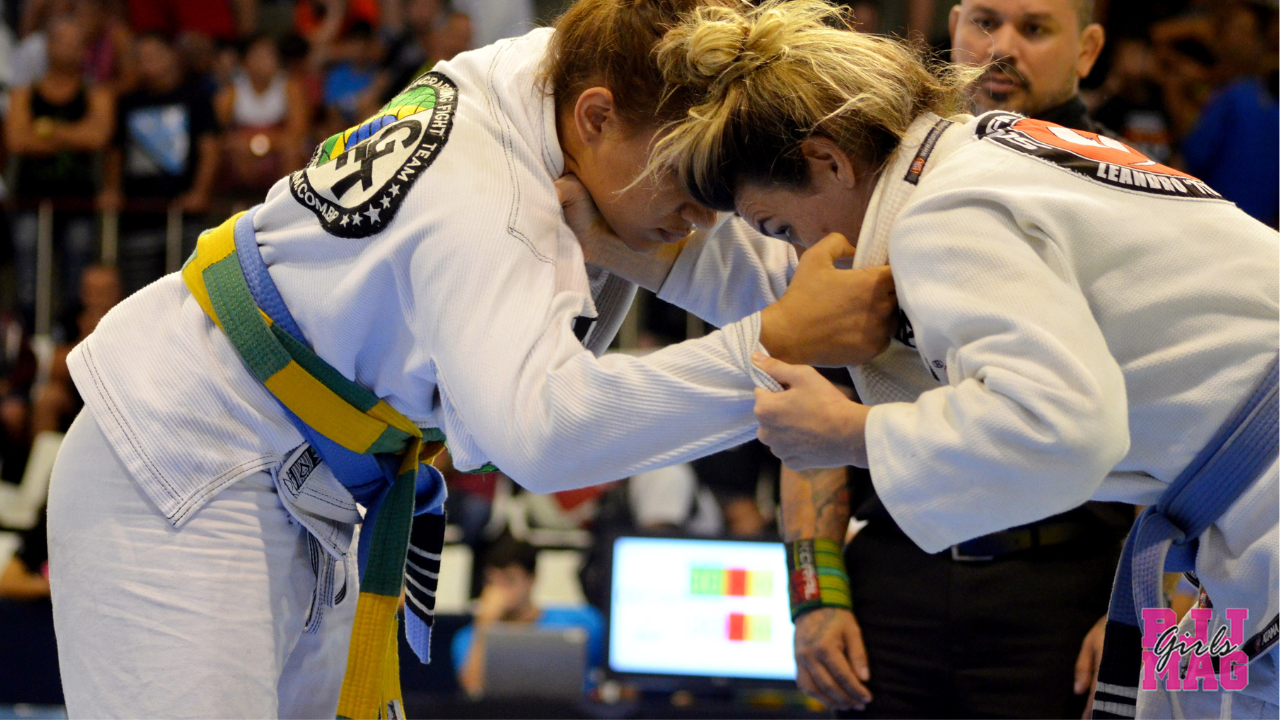
If you’re reading this, you’ve probably been circling the idea of Brazilian jiu-jitsu for a while, half curious and half unsure. Maybe a few videos came across your feed, or a gym near you started running women’s classes and you keep meaning to check it out. That mix of curiosity and hesitation is where most women start, so you’re in good company. What follows are the things women ask about most before their first class, the stuff that actually settles the nerves. Whether you’re 18 or 48, this is what’s worth knowing before you step on the mats.
1. You Don’t Need to Be in Shape to Start
The thing that keeps most women out is the idea that they have to get in shape first, when the training itself is what gets you there. BJJ classes are built around beginners, so you build strength, endurance and flexibility as you go, with instructors who are used to students at every fitness level. Take breaks when you need them and move at your own pace, because what actually moves the needle is showing up consistently, not grinding yourself into the ground on day one.
2. It’s Normal to Sometimes Be the Only Woman in Class
Depending on where you live, BJJ can still lean heavily male, and that’s no reason to count yourself out. Plenty of women start as the only female in the room, and while that feels intimidating at first, most solid gyms work to keep the space respectful and welcoming, and more women tend to trickle in as the community grows. If training around other women matters to you, look for schools with women’s classes or female instructors, and you’ll feel the difference walking in.
3. You’re Going to Feel Awkward at First, and It Passes
Jiu-jitsu is close-contact by design. You’ll sweat, roll around, and spend a lot of time tangled up with training partners, which can feel like a lot early on if you’re not used to being that physical with people you just met. Give yourself a few weeks. The awkwardness fades faster than you’d expect once your focus shifts to learning the techniques, and one day it just registers as part of training.
4. Gear Matters, But You Don’t Need Everything on Day One
For your first few classes, most academies will lend you a gi, and if they don’t, fitted workout clothes that won’t rip or ride up will do the job. Once you know you’re sticking with it, you’ll want your own kit:
- A properly fitted women’s gi (brands like Tatami, Fuji, or Gold BJJ are a safe start)
- A rash guard, especially for no-gi classes
- A supportive sports bra with compression shorts or leggings
- A mouthguard, which earns its place once you start sparring
Skip the loose t-shirts, jewelry, and makeup on the mat, keep your nails short, and bring flip-flops for walking around off the tatame.
5. You Don’t Have to Spar Right Away
A lot of beginners lose sleep over rolling, which is the sparring part, picturing themselves thrown into it on day one. In most academies new students aren’t expected to spar until they’ve got the basic movements down. If your gym does nudge you toward it early, it’s completely fine to sit one out or ask to watch, because you’re in charge of your own training and a good instructor will never push you past what you’re ready for. When you do start, tapping is simply how you learn and stay safe, so there’s nothing to prove by holding out.
6. Progress Feels Slow, and That’s the Normal Part
Jiu-jitsu takes its time. It can take ten years or more to reach black belt, and promotions ride on consistency, skill and mindset rather than how often you clock in. There will be stretches where it feels like nothing is clicking, and that’s exactly when a lot of people walk away. Stay in it. Even training twice a week, you start stacking small wins, escaping a bad position, remembering a move under pressure, lasting a little longer in a round. It rarely feels linear, and it’s happening even on the days it doesn’t.
7. You’re Stronger Than You Think
Most women who start jiu-jitsu end up meeting a version of themselves they didn’t know was in there. Learning to defend yourself, control your body and work through fear builds a kind of confidence that’s hard to find anywhere else, and it doesn’t stay on the mat. That steadiness follows you into how you speak up, how you focus, and how you handle pressure everywhere else.
8. Find the Right Gym for You
Not every academy is going to fit, and figuring that out early is progress in itself. Look for a school that welcomes beginners, keeps a respectful and supportive culture, has women on the mats or in leadership, and treats learning as the point rather than winning. Use the free trial classes, and trust your gut, because if a place leaves you feeling uncomfortable or disrespected, the right one is still out there and worth the search.
From One Woman to Another
Starting jiu-jitsu as a woman can feel intimidating, and it’s still one of the most empowering things you can do for your body and your head. The hardest rep is walking through the door the first time, and everything gets easier after that. Give yourself permission to be a beginner, you don’t have to be fast or strong or fearless, you just have to show up. You belong on the mats.