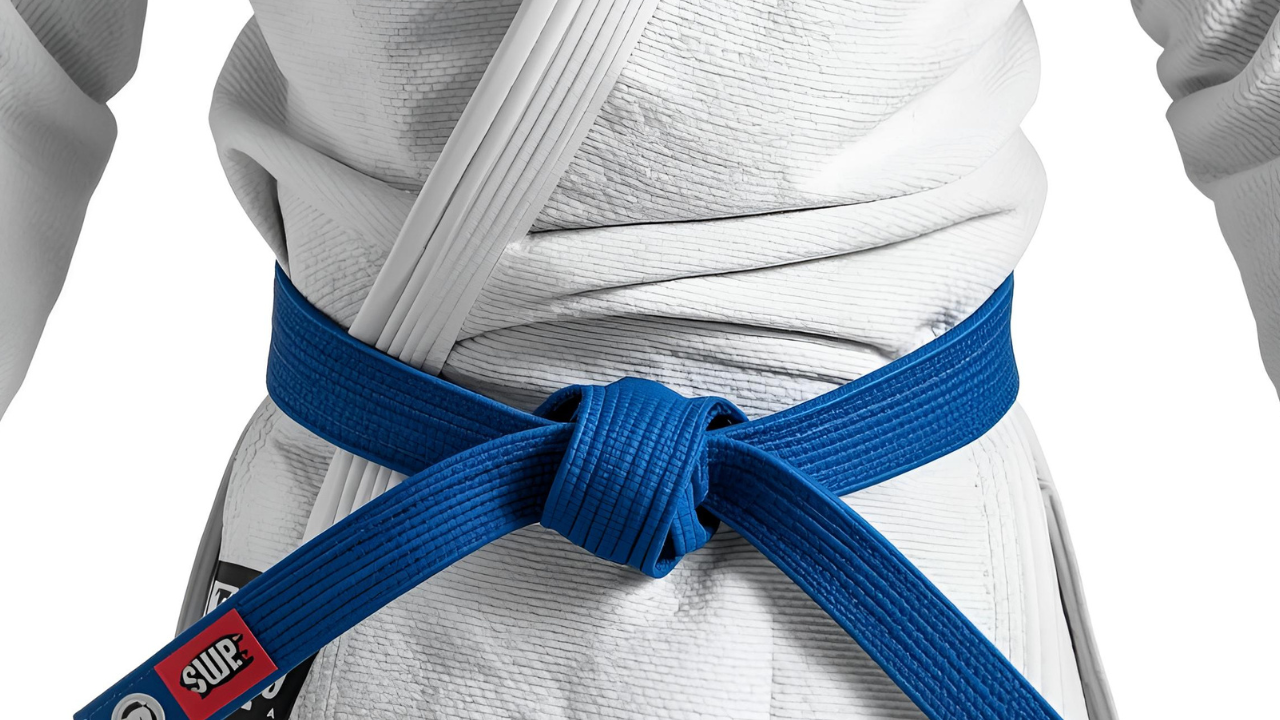
If you train Brazilian jiu-jitsu, you’ve almost certainly heard about the blue belt dropout. For some people it’s a running joke, and for plenty of others it’s the exact moment they quietly stopped showing up. So why do so many promising practitioners hang up the gi right after hitting this milestone? Here’s what’s really going on once the high of earning your blue belt starts to fade, and how to train through it instead of walking away.
From Motivation to Frustration
The white belt phase runs on novelty. Everything’s new, you’re improving fast, and you might even catch a higher belt off guard now and then, so the blue belt lands as a well-earned reward. Then it gets tied around your waist and the whole dynamic shifts. Training partners come at you harder, people stop treating you as the newbie who gets guidance and start expecting you to lead, and the novelty that carried you wears off while the grind sets in. If nobody warned you it was coming, that shift can feel demoralizing.
5 Real Reasons People Quit at Blue Belt
1. The Motivation Drop
We chase goals hard, then hit them and feel this strange flatness show up. The blue belt can read like a finish line, which is exactly the trap, because it’s really where the actual journey starts.
2. Increased Pressure
You’re not a beginner anymore, so your professor and teammates start expecting more, and the mistakes that got a shrug at white belt suddenly draw correction. For a lot of people that weight quietly turns into self-doubt.
3. Injuries and Recovery
Rolling harder means the body takes more, and the steady grind of tweaked knees, jammed fingers and cranky shoulders wears on your head as much as your joints. This one alone ends more blue belt runs than anything else on the list.
4. The Long Road to Purple
Going from white to blue felt quick. Purple is a different animal, often years out, and when you’re tired or unmotivated that gap can feel like it stretches on forever.
5. The Identity Crisis
A blue belt is as much mindset as technique. You’re suddenly expected to give white belts a real challenge and hang with the purple belts, and on the days that doesn’t happen, the doubt creeps in fast.
Real Stories, Real Struggles
Tiago, now a purple belt, once felt his whole game come apart, injured and discouraged and half-sure it wasn’t worth it, and he stayed anyway and leveled up. May, another BJJ Girls Mag contributor, calls earning her blue belt a dream she chased after a long break, training hard and making peace with the ups and the downs.
How to Survive Your Blue Belt Crisis
- Set new goals. Pick something concrete to chase, like tightening your guard game, cleaning up your transitions, or helping the white belts get better, because a fresh target pulls you back in when the belt itself stops motivating you.
- Celebrate small wins. That one sweep you finally landed counts, so let it.
- Rest with purpose. Stepping back for a couple of weeks lets the body heal and you come back sharper, so treat recovery as part of the training instead of a detour.
- Lean on your community. Talk to teammates, a coach, a mentor, even people online, because almost everyone on the mat has stood exactly where you’re standing.
Final Roll: This Is Where Black Belts Are Made
The blue belt crisis is real, and it’s more of a test than a verdict. Roll through it and you come out the other side tougher in the head as much as in the body.
Don’t quit, not yet. Your journey is barely getting started.