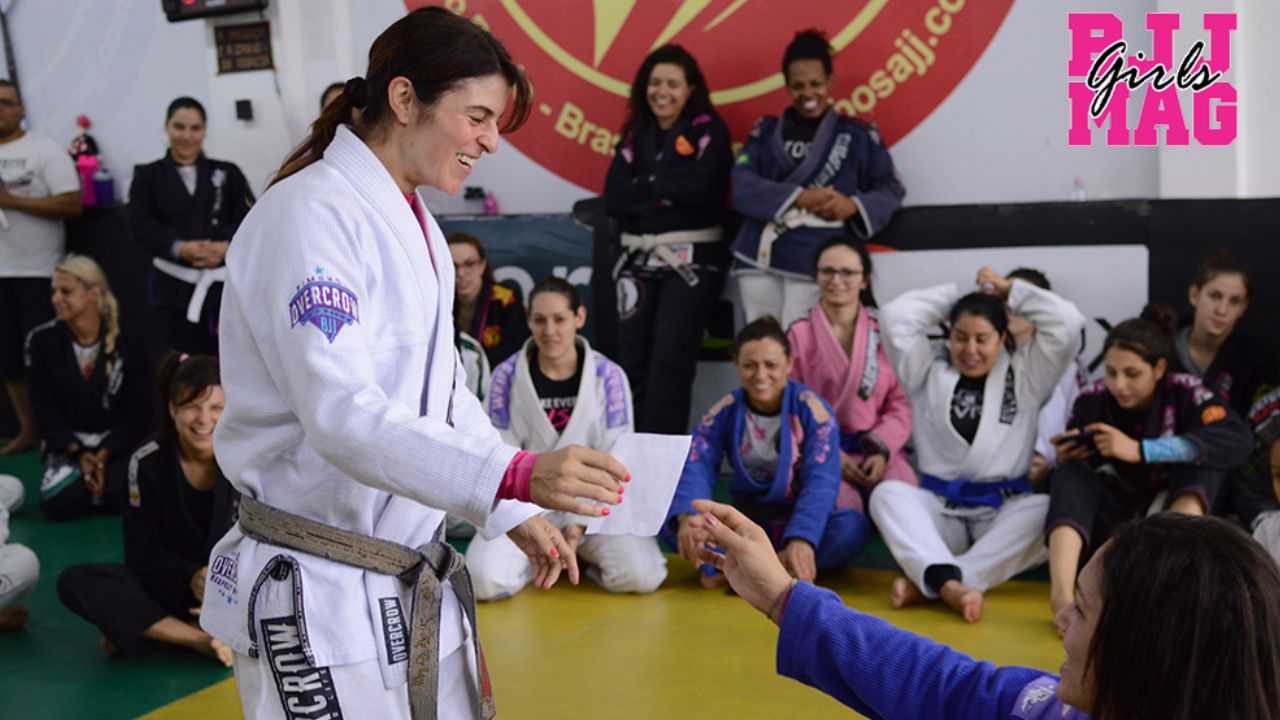
If you’re in your 30s or 40s and circling the idea of Brazilian jiu-jitsu, let me put one worry to rest right away, you’re in good company and you’re right on time. Honestly, this stage of life can be one of the best moments to start. It’s still completely normal to feel a knot in your stomach about stepping onto the mats, especially in a sport that gets painted as intense, male-dominated, and physically brutal.
This guide walks you through what to actually expect, and how to move through those first weeks with confidence and a little self-kindness.
You’re Right on Time
Let’s get this out of the way, you are not too old to start jiu-jitsu, nowhere close. Plenty of women begin in their 30s, 40s, and well beyond, and they flourish. Where a lot of sports quietly close the door on age, jiu-jitsu leans on technique, patience, and consistency far more than youth or raw strength.
Whatever you feel short on early, flexibility or cardio, you tend to make up for with focus, discipline, and the kind of emotional steadiness that only shows up with age. Those are exactly the traits that hand adult beginners an edge a lot of teenagers never had.
Yes, the Fear of Getting Hurt Is Normal
One of the most common worries for women starting later is getting injured, especially rolling with men. Maybe you’re picturing a stronger partner cranking something too hard, or feeling out of place, or just not being able to keep up.
Those feelings are fair, and here’s the reassuring part: a well-run academy puts safety first, beginners most of all. Classes usually open with controlled drills and build up slowly, so you won’t get thrown into hard sparring on day one, or even in your first month.
The academy you pick makes all the difference, though. Look for a real beginner program, instructors who respect boundaries, and a room that values safety over ego. If you want help vetting one, we wrote a full guide on how to choose your first BJJ academy.
Women-Only Classes Can Change the Game
If training with men makes you nervous, you’re far from the only one, and that hesitation is completely normal at the start. Women-only classes are built for exactly this. They give you room to learn at your own pace, roll with other women, ask questions without feeling watched, and feel safe in your body and your head.
A lot of women treat these sessions as a launch pad. They build confidence in the women’s class, then slide into the co-ed ones once it feels right, and more often than not they find it was never as scary as they’d built it up to be. It really comes down to picking good training partners and speaking up when you need to.
Pick Your Training Partners on Purpose
Once you start joining the mixed classes, who you roll with matters just as much as where you train. As a beginner in your 30s or 40s, you’re there to learn, not to prove a thing to anybody. So don’t be shy about turning down a round with someone who feels reckless or too amped up. Ask the instructor to pair you, and gravitate toward partners who are controlled, technical, and generous, because the good ones help you grow without ever running you past your limits.
Jiu-Jitsu Actually Fits Family Life
If you’re a mom, you’re probably wondering how training squares with everything else you carry. What a lot of women find is that jiu-jitsu slots into family life better than almost any other hobby. It’s common for moms to drop their kids at the children’s class, stay for the adult class right after, and turn the whole thing into a shared family routine. Training side by side builds bonds, gives you common goals, and quietly models healthy habits, which lands especially hard for daughters watching their mother learn to defend herself. In a lot of gyms the community ends up becoming an extension of your own support system.
Expect to Move Slower, and Let That Be Fine
Your body at 35 or 45 won’t move the way it did at 18, and that’s genuinely okay. You might need a longer warm-up, recover a little slower, sit out a round here and there. None of that is weakness, it’s you training with your head. The trick is to listen to your body, pace yourself, and play the long game instead of chasing intensity. Consistency is what carries you forward in this sport, and plenty of women find that jiu-jitsu sharpens their mobility, builds real strength and endurance, melts off stress, and reconnects them with a body they’d stopped listening to.
Your Journey, Your Pace
One of the quietly beautiful things about starting later is that you’re doing it for yourself, full stop, not for approval or a podium or anyone else’s opinion. You tend to compare yourself less, savor the small wins more, and train for your health instead of your ego. And without even trying, you’re setting an example, for your kids, your friends, the women watching from the sidelines wondering if they’ve missed their window. You’re the proof that they haven’t.
You Belong Here
Starting jiu-jitsu in your 30s or 40s is a powerful thing to do, and you bring life experience, emotional maturity, and a solid sense of who you are onto the mats. With the right academy, the right people around you, and the right mindset, you’ll find this journey is as much about growing as a person as it is about learning to grapple. Whether you came for fitness, self-defense, your mental health, or just the fun of it, you belong here.